
About Aperio
Built by mitigation people, for the defense teams doing the work.
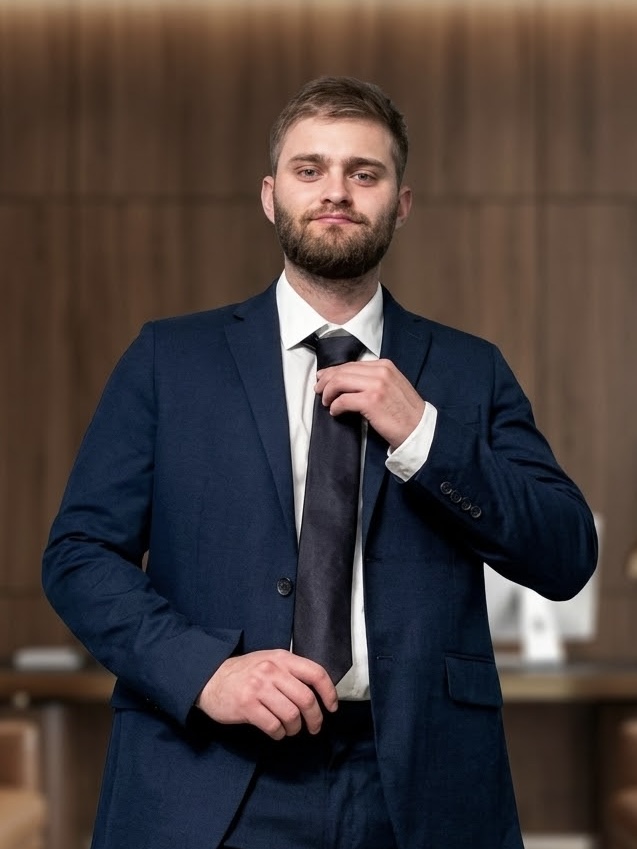
Why I built this
Before Aperio, my work was mitigation and investigation. That meant sitting at kitchen tables with mothers and grandmothers, driving to a county records office that only takes requests by fax, and reading a school file from 1994 to find the year everything changed for a fourteen-year-old. It is slow work. It is also the work that most often moves a sentence.
Over several hundred cases, I noticed the same pattern. The facts that mattered were almost always there — in medical records, in a foster care file, in a sibling's memory of a night nobody wrote down. What was missing was never the story. What was missing was hours. A solo attorney with one paralegal cannot read four thousand pages, interview six family members, and still be in court on Tuesday.
So mitigation gets compressed. It becomes a two-page letter written the weekend before sentencing, and everyone involved knows it is thinner than the client deserves. The attorneys I worked with were not lazy or indifferent. They were outnumbered. They carried the same question I carried after every case that ended badly: was there something in there we never got to?
I started building Aperio because that question had a practical answer. The reading, sorting, timelining, and first-draft writing is exactly the kind of work that software has become good at, and it is exactly the work that eats the hours a defense team does not have. The judgment — what to argue, what to leave out, how to stand in front of a judge and tell a human being's story — is not software work and never will be. Keeping that line clear was the first design decision, and it still governs every feature we ship.
So Aperio reads the records and flags what looks mitigating. It builds the timeline and shows the gaps: no school records after tenth grade, no one has spoken to the aunt who raised him, the head injury is mentioned once and never followed up. It drafts the life history narrative in plain language, cited back to the source documents, and hands it to the attorney to correct, cut, and sign. It never gives legal advice and never recommends a legal action.
What I want is simple and specific. I want the solo attorney to take the case she is currently turning away. I want the paralegal to stop spending Friday nights organizing PDFs. I want the mitigation specialist to spend her time with the family instead of the fax machine. And I want fewer people sentenced on a version of their life that was abbreviated for lack of time.
That is the whole idea behind the name. Aperio means to uncover — to reveal what was already there. The story exists. Our job is to make sure the court hears all of it.
What we hold to
The whole story, always
A sentence should be decided on a full life history, not the part of it someone had time to write down.
The attorney decides
Aperio organizes, reads, and drafts. Every legal judgment stays with the defense team, and every draft is yours to verify.
Care with client material
Case files live in a dedicated workspace and are never used to train public models. Confidentiality isn't a setting, it's the starting point.